Clinical Case Study · 12-Month Result

Hybrid FUE with Direct Implanter Pen Placement

Case study by Dr Yusuf Assem, Hair Restoration Doctors, Five Dock, Sydney. Mr B, 38 · 3,356 grafts · 12-month result.

3,356

Grafts, grade 1 quality

Norwood 4

Progressing toward Norwood 7

0.65 mm

Internal punch diameter (WAW FUE)

12 months

Post-operative follow-up

Case summary

PatientMr B, 38-year-old male; healthy non-smoker
DiagnosisAndrogenetic alopecia, Norwood 4 with features of progression toward Norwood 7
Hair & skinSalt and pepper (approx. 50% grey); good calibre; Fitzpatrick type 2
ProcedureHybrid FUE: pre-made recipient incisions with direct implanter pen placement
AnaesthesiaMild oral sedation; supraorbital, supratrochlear and ring blocks
ExtractionWAW FUE system (Devroye); punch 0.65 mm internal / 0.9 mm external diameter
Grafts3,356 grafts, grade 1 quality
AdjunctsPRF to recipient and donor areas; low-dose oral minoxidil
SurgeonDr Yusuf Assem personally performed every surgical step
Follow-up12 months post-operative

Presentation

Mr B, a 38-year-old man living in rural Australia and originally from South Africa, consulted Dr Assem at Hair Restoration Doctors with significant androgenetic alopecia. He was a healthy non-smoker and medication-naive. His pattern of loss was classified as Norwood 4, with features indicating a likely progression toward Norwood 7.

Trichology assessment

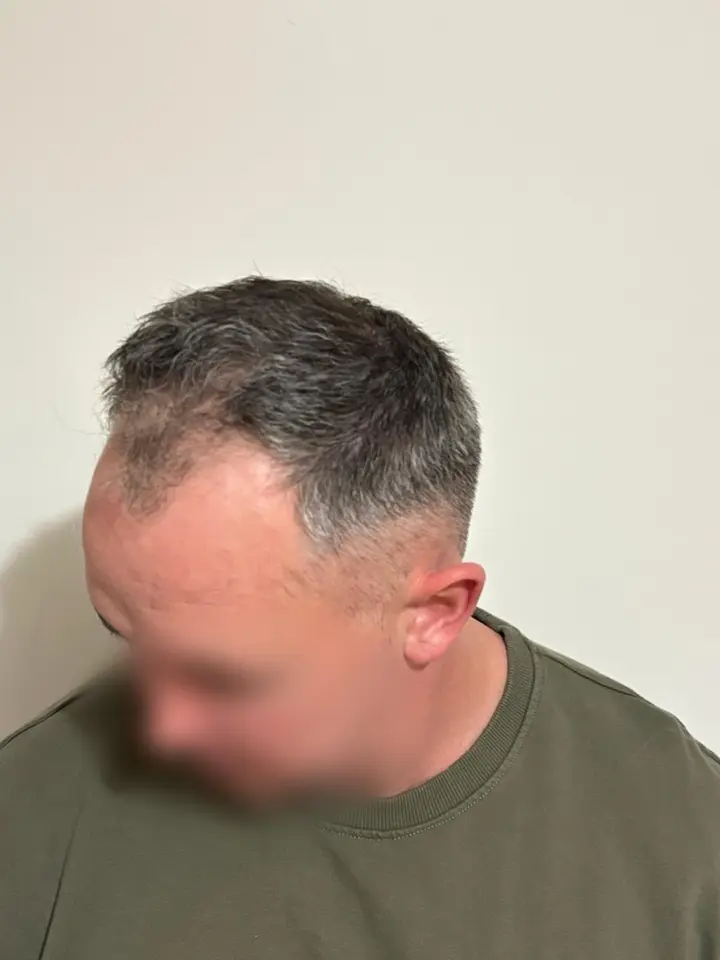
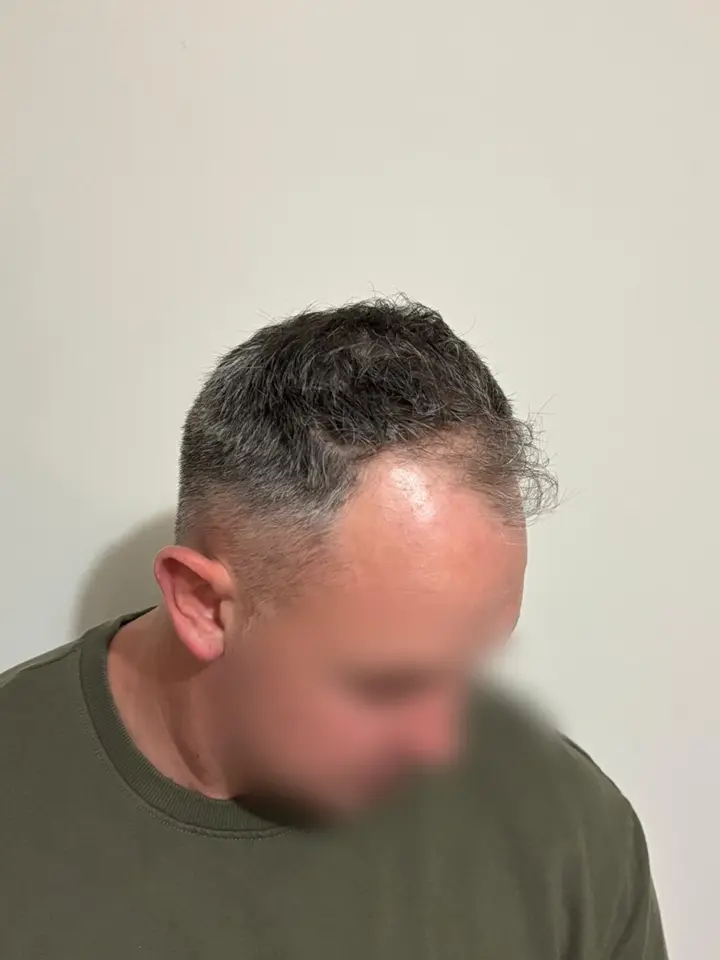
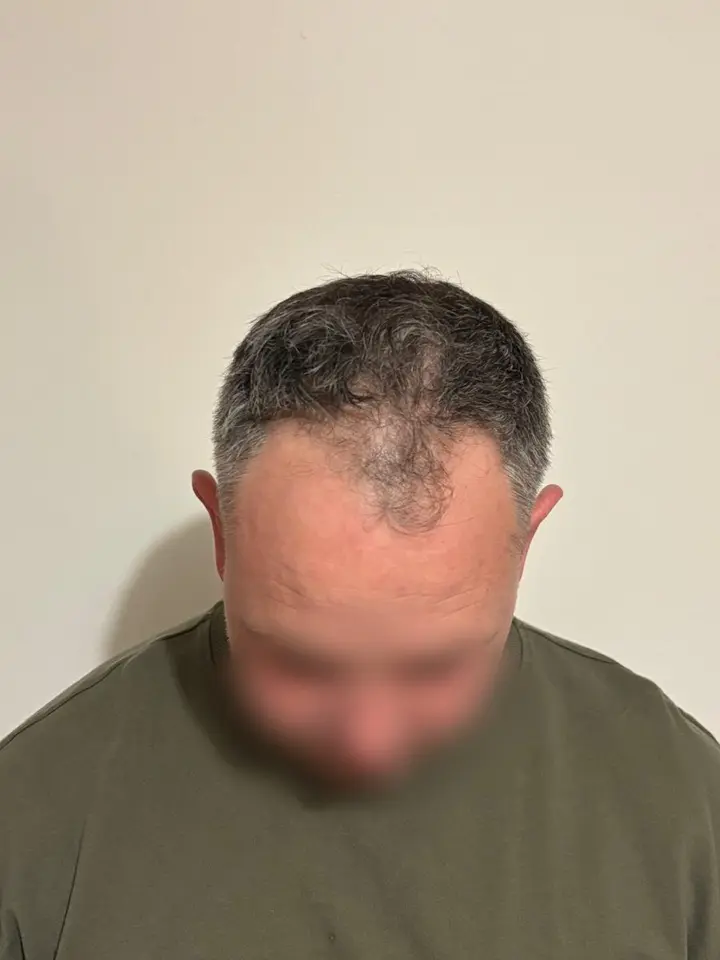
  • Frontal tuft: severely miniaturised, with minimal remaining hair.
  • Frontotemporal peaks: completely absent of follicles.
  • Crown: signs of miniaturisation.
  • Inferior occipital region: miniaturisation suggesting possible retrograde alopecia, expected to stabilise with medication.
  • Parietal-temporal region: some thinning, marked to be avoided during extraction.

Hair & scalp characteristics

  • Donor: good general density with a good ratio of two- and three-hair follicular units.
  • Hair calibre: good.
  • Hair colour: salt and pepper, approximately 50% grey and 50% black, with more grey in the temple region.
  • Skin type: Fitzpatrick type 2.
  • Scalp laxity: good.

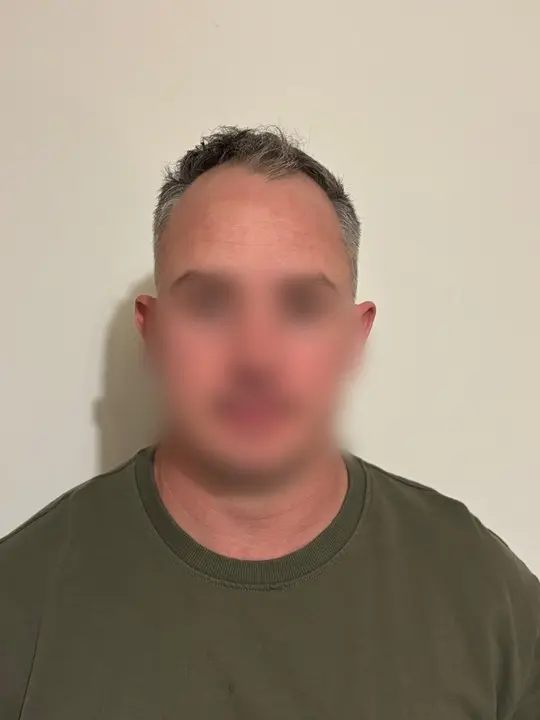
Initial consultation photos

Hybrid FUE case study, initial consultation photo, front view
Front view
Top view
Left oblique
Right oblique

Management plan

Given the patient’s age and risk of further progression, long-term advice was provided to help sustain an optimal result. The following were recommended:

  • Growth factor therapy, such as PRP, PRF or exosomes
  • Low-level laser light therapy
  • Medical therapy, ideally

The patient elected to begin low-dose oral minoxidil. Treatment was commenced, and surgery was scheduled four months later to allow the medical therapy to take effect.

Surgical procedure

Surgery began at 6:00 am. Dr Assem spent the first hour on planning, hairline design and preparation. Mild oral sedation was used for comfort, and Dr Assem administered local anaesthetic with supraorbital and supratrochlear nerve blocks and a ring block. A hybrid direct implanter pen technique was then used. As a doctor-performed clinic, every surgical step, from hairline design and extraction to implantation, was personally performed by Dr Assem.

1

Recipient design. Dr Assem created an artistic design using pre-made incisions.

2

Extraction. FUE extraction was performed with the advanced WAW system (Devroye), using a punch of 0.65 mm internal and 0.9 mm external diameter. Extraction was distributed across the donor area to preserve it for future use, keep it looking natural and leave minimal visible scarring, so the patient could continue wearing a fade or short hairstyle. A total of 3,356 grafts of excellent, grade 1 quality were obtained.

3

Growth factors. PRF was administered to both the recipient and donor areas.

4

Implantation. Grafts were placed into the pre-made sites using direct implanter pens.

5

Dressing. A specialised dressing was applied at the end of the procedure to support healing, shorten recovery time, and help natural regeneration and scar minimisation.

The procedure was completed the same afternoon. No intra-operative or post-operative complications were recorded.
Surgery day at Five Dock

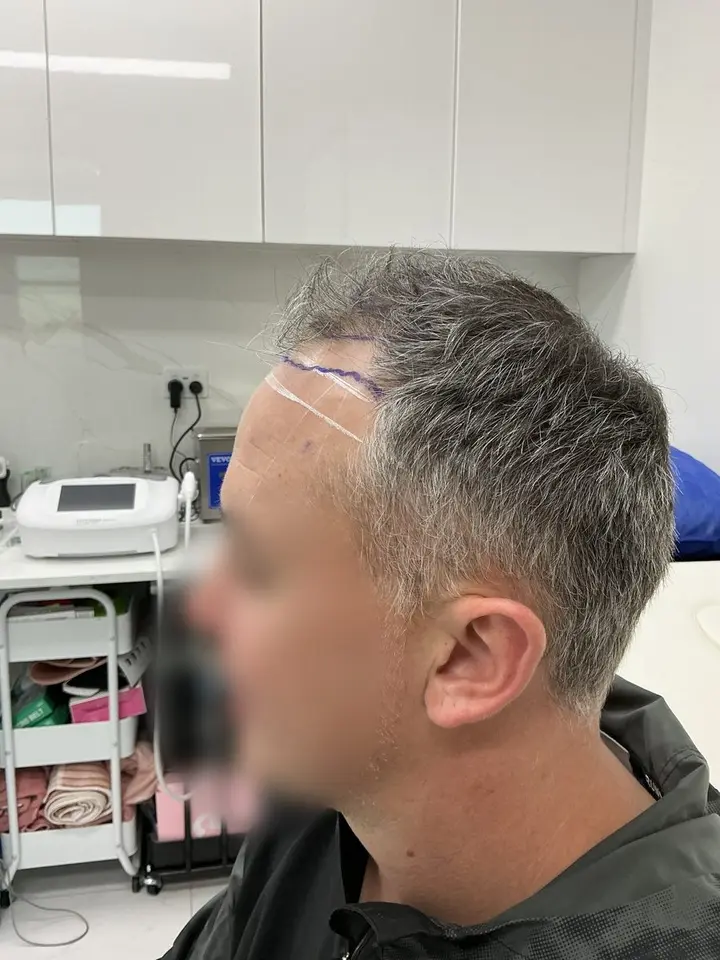
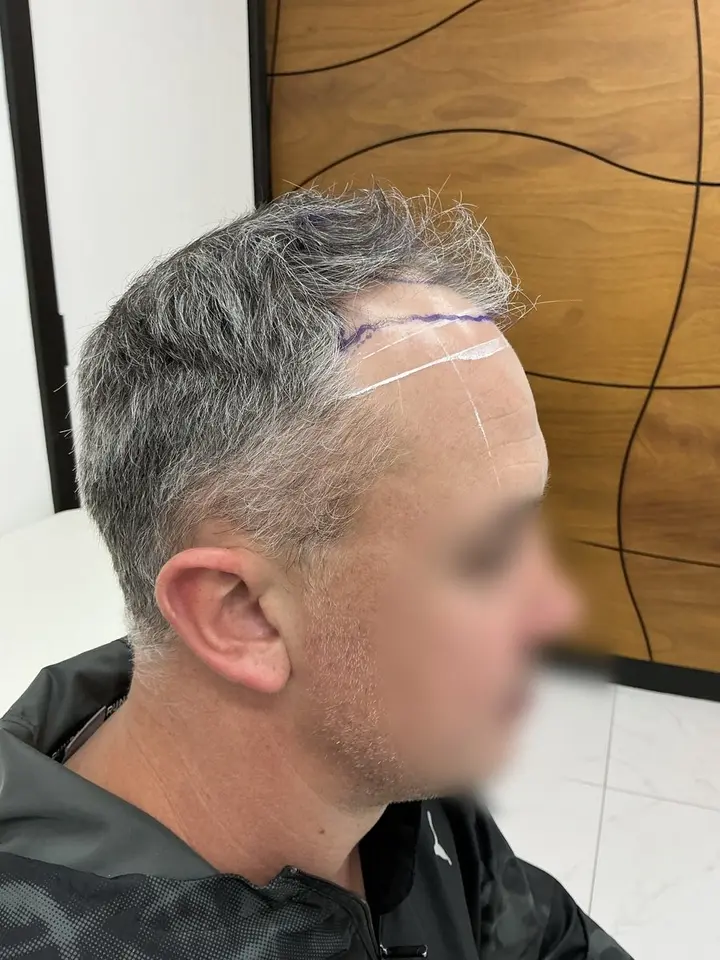
Pre-surgery planning, left profile
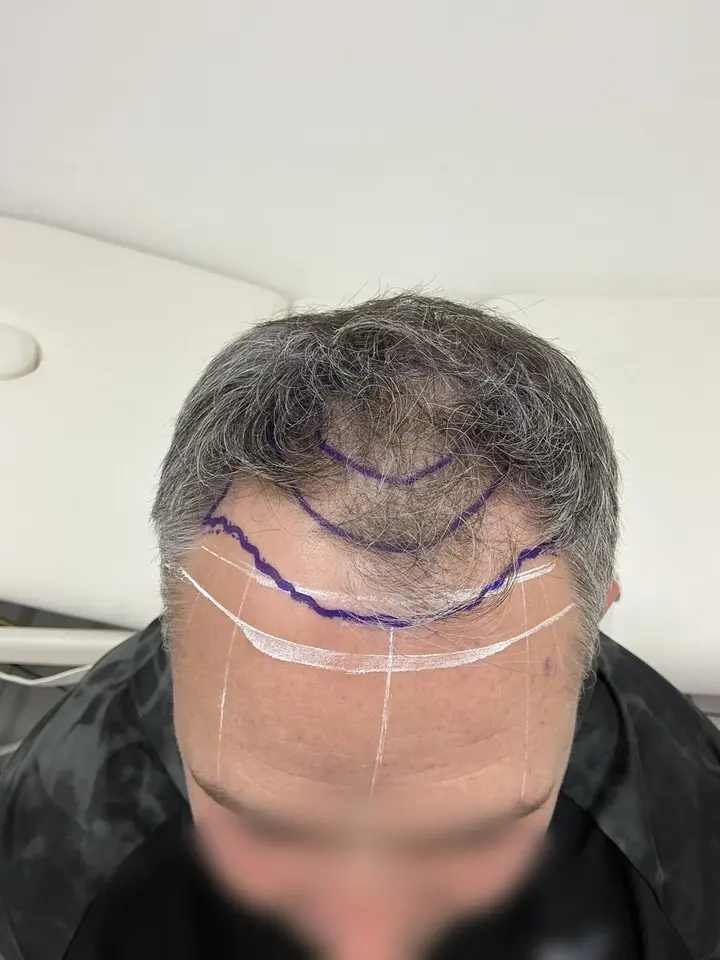
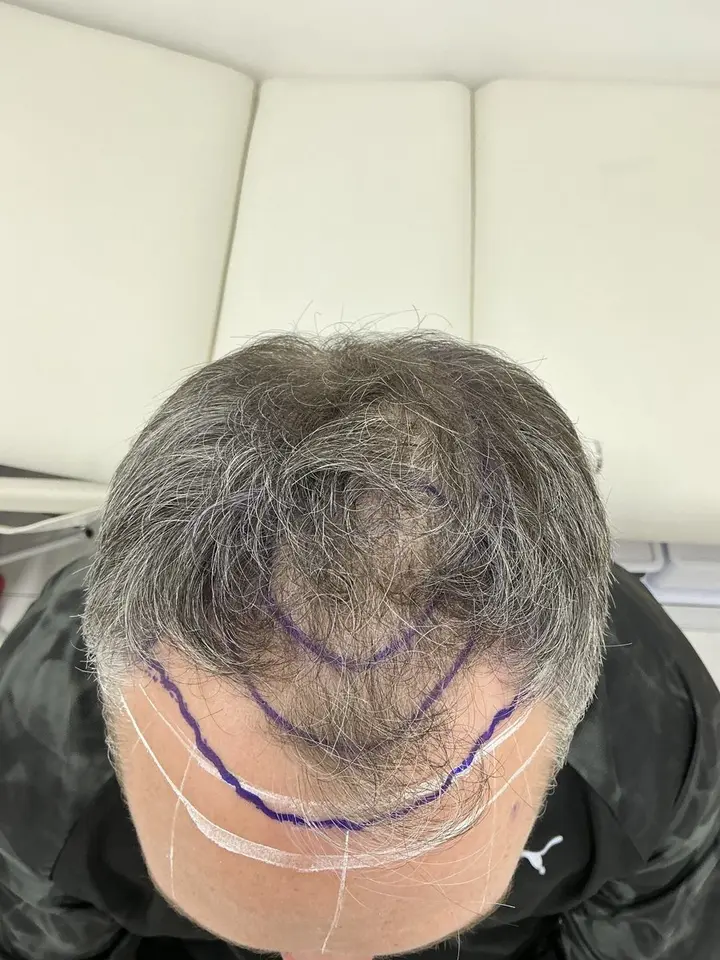
Hairline design
Pre-surgery planning, right profile
Recipient zones
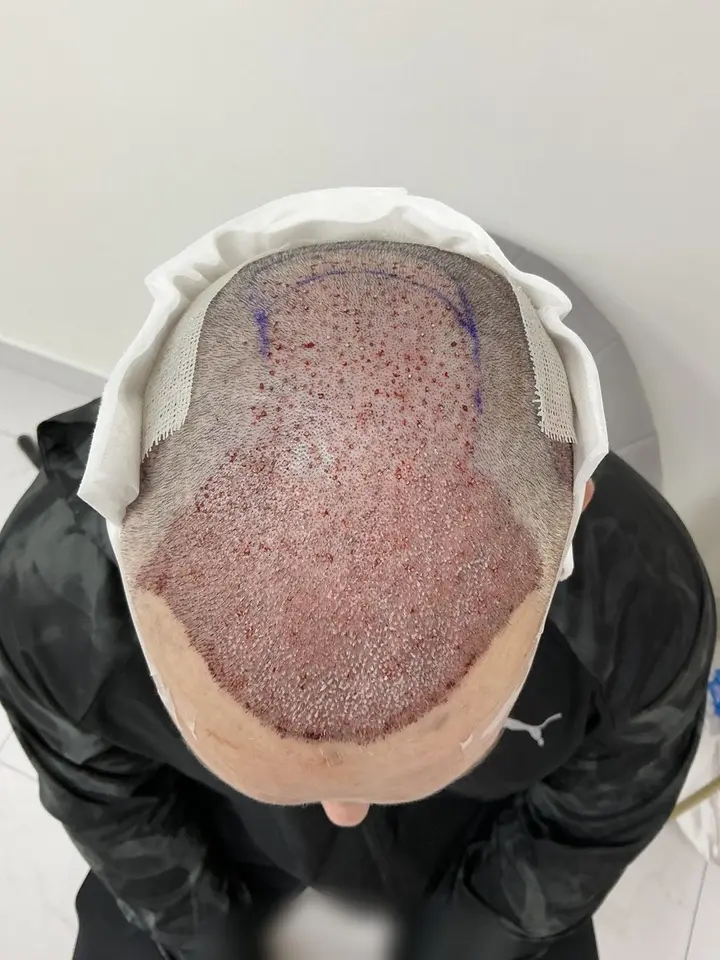
Immediately post-surgery: 3,356 grafts placed
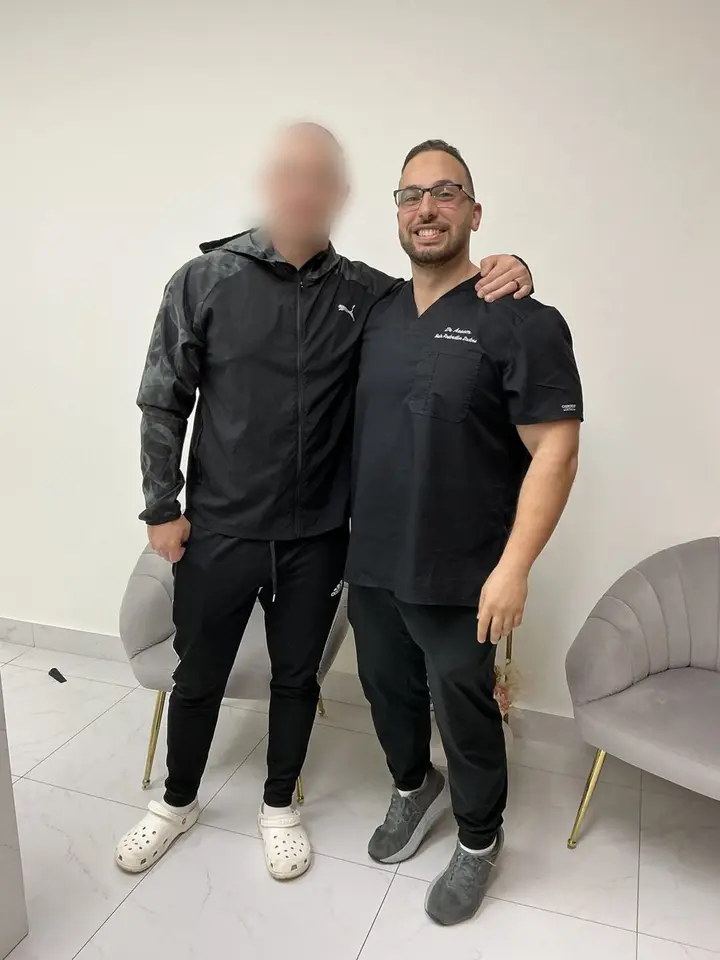
With Dr Assem after surgery

Recovery & follow-up

Dr Assem provided strict post-operative instructions to support optimal growth and recovery, and followed the patient up over the following 12 months to ensure everything was progressing as expected.

Outcome at 12 months

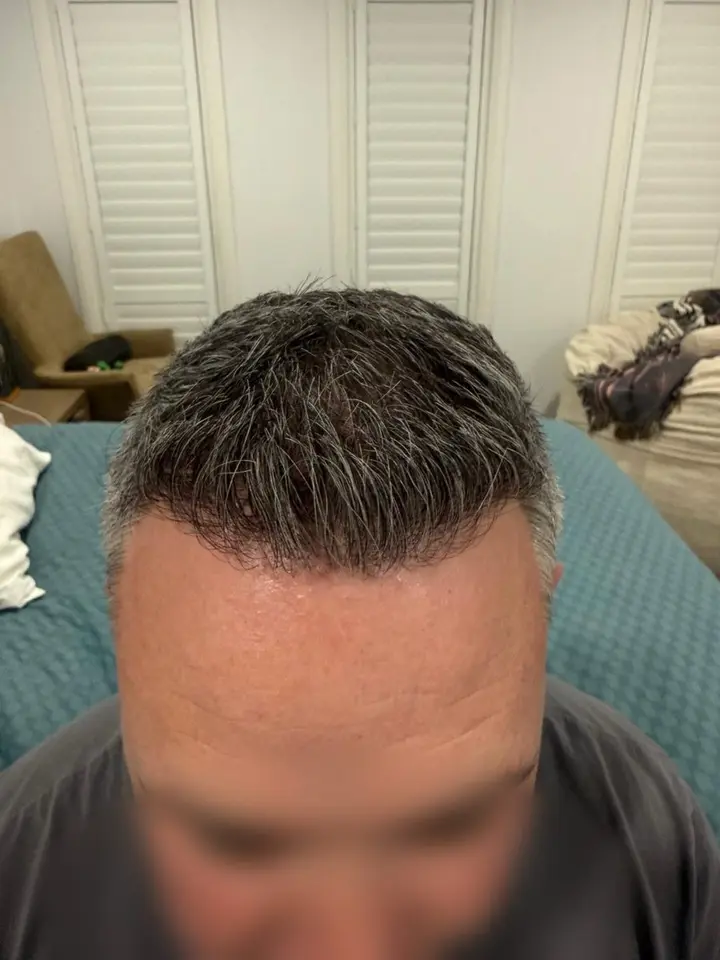
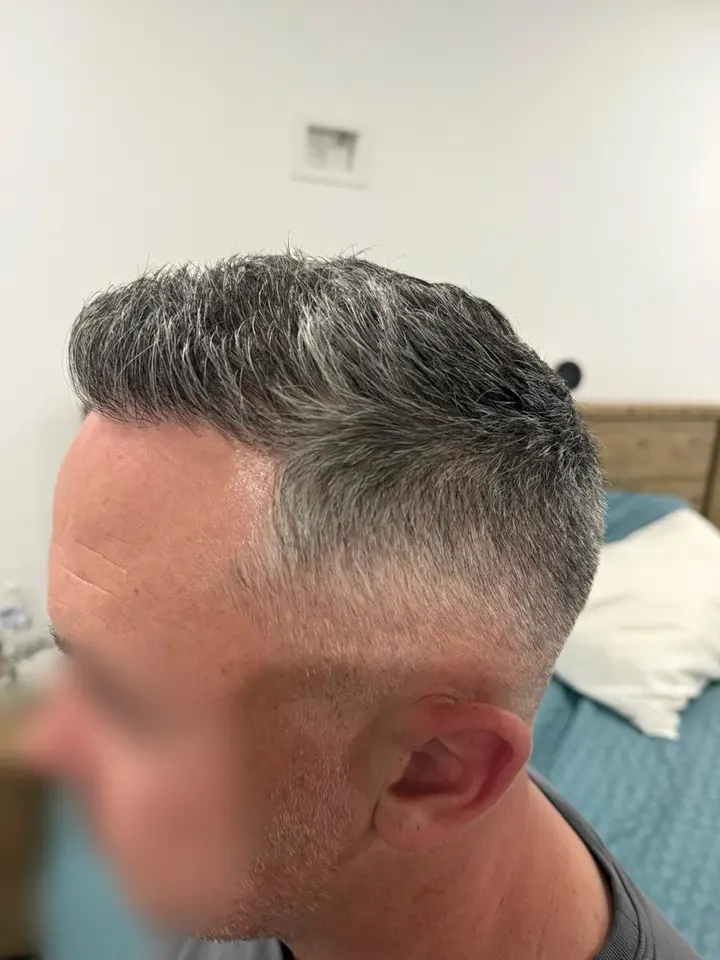
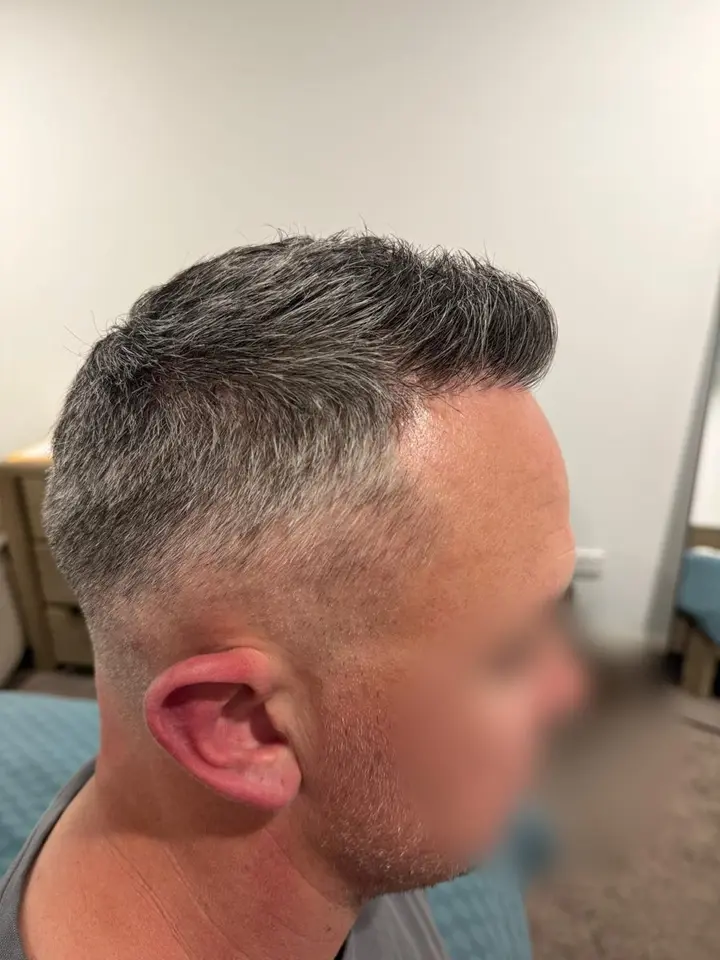
At 12 months, the result is excellent. The images show a well-defined, natural frontal hairline with restored density across the frontal zone and forelock, and good blending into the native hair. Ongoing medical therapy is recommended to help maintain the result.

In the 12-month photographs, there is no visible sign of the procedure or donor scarring. All surgical procedures leave some scarring; however, when performed well with high-quality equipment, FUE scars are very small (less than 1 mm) and can be well hidden with a short haircut. When shaved to a zero clipper length, tiny dots will always be noticeable.

12 months, top view
12 months, left profile
12 months, right profile

Discussion

This case demonstrates a relatively young patient with significant hair loss and an anticipated progression toward advanced Norwood stages. It highlights the importance of individualised surgical planning in patients with progressive androgenetic alopecia.

By combining pre-operative medical therapy, conservative donor management, strategically distributed FUE extraction and a hybrid implantation technique, the objective was to achieve a natural frontal restoration while preserving donor capacity for potential future hair loss. Dr Assem personally performed all surgical steps, ensuring continuity of care from planning through to follow-up.

Key points

About the surgeon

Dr Yusuf Assem

Principal Hair Transplant Doctor · AHPRA MED0002137762

  • Medical Doctor, BMed MD (Distinction & Honours)
  • Member, International Society of Hair Restoration Surgery (ISHRS)
  • Trichologist and Lecturer, International Association of Trichologists (IAT)
  • Fellow, Royal Australian College of General Practitioners (FRACGP)
  • Conjoint Lecturer, UNSW Faculty of Medicine

Considering a hair transplant?

Every assessment and plan is individual. Book a consultation with Dr Assem to discuss your hair loss and options.

49 Queens Road, Five Dock NSW 2046
Also by appointment: Winston Hills and Melbourne (St Kilda Road)

Disclaimer. The outcomes shown are only relevant for this patient. Hair growth and the final results vary between patients. Any surgical or invasive procedure carries risks. Before proceeding, you should seek a second opinion from an appropriately qualified health practitioner. Always consult a qualified Doctor.

A note on “DHI” and implanter pens. “DHI” (Direct Hair Implantation) is a trade mark of DHI Global Medical Group. Hair Restoration Doctors is not affiliated with DHI Global Medical Group and does not offer the DHI-branded procedure. Online, however, many patients use “DHI” as a general term for hair transplants in which grafts are placed with an implanter pen, a hand-held device that loads a graft into a fine needle and inserts it into the scalp. Implanter pens are used by many surgeons worldwide and are described in the medical literature under a range of names. At Hair Restoration Doctors, Dr Assem uses a hybrid implanter approach, combining sharp implanter pens for direct placement with blunt implanters into pre-made incisions. Implanter placement is more time-consuming and requires a larger surgical team. In Dr Assem’s clinical experience, however, it reduces handling of the grafts and supports graft survival, which is why it is his preferred technique. Results vary between patients, and the right approach for you is discussed at your consultation.